The Science of Acne: Real Causes and How to Treat It
Ken Ken
There are few skin conditions surrounded by as many myths as acne. For generations, people have been told that breakouts are simply the result of poor hygiene. Let's clear the air: Acne is a complex skin disorder that affects 85% of Australians at some point. It is not caused by a lack of cleanliness. In fact, over-scrubbing with harsh products can compromise your skin barrier and make breakouts worse.
To truly get acne under control, you don't need to scrub harder, you need to target the actual biological triggers at play with smart, clinical-grade active ingredients.
What Actually Causes Acne?
Acne is a multi-factorial development, meaning it rarely occurs due to a single isolated issue. Instead, a combination of internal and external factors disrupts your skin's ecosystem:
1. Genetic Factors: Your DNA largely dictates your oil production and how your skin sheds cells.
2. Stress:
Lifestyle Stress: Lack of sleep, poor daily habits, and a fast-paced routine can keep your body in a constant state of low-grade strain.
Overexercise & Physical Stress: Intense physical strain or overexertion can trigger systemic inflammatory responses and hormonal shifts that affect the skin.
Mental Stress: Chronic anxiety or emotional pressure elevates cortisol levels, which directly signals your sebaceous glands to produce more oil.
3. Environment: Pollution and high humidity can aggravate underlying inflammation.
4. Poor Product Choices: Heavy or comedogenic skin care products trap debris and clog vulnerable pores.
5. Dietary Triggers: While historical advice dismissed diet, modern clinical guidelines confirm that high-glycaemic foods (sugar, refined carbs) and dairy cause insulin spikes that actively stimulate oil production.
The Chain Reaction Inside the Pore
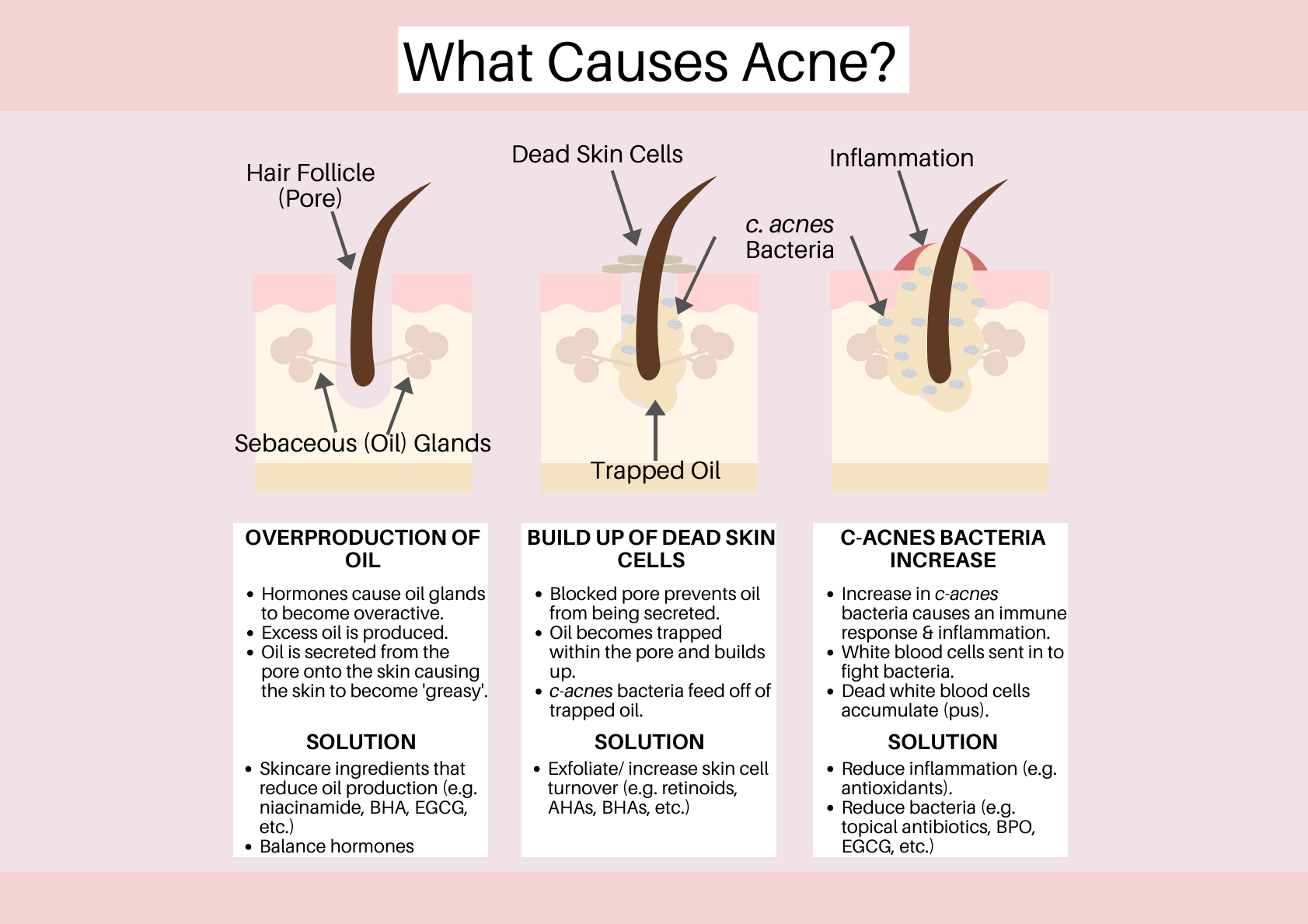
Every blemish is the result of a specific four-step sequence beneath the surface:
1. Hormonal Shifts: An increase in androgens triggers the sebaceous glands to overproduce sebum (oil).
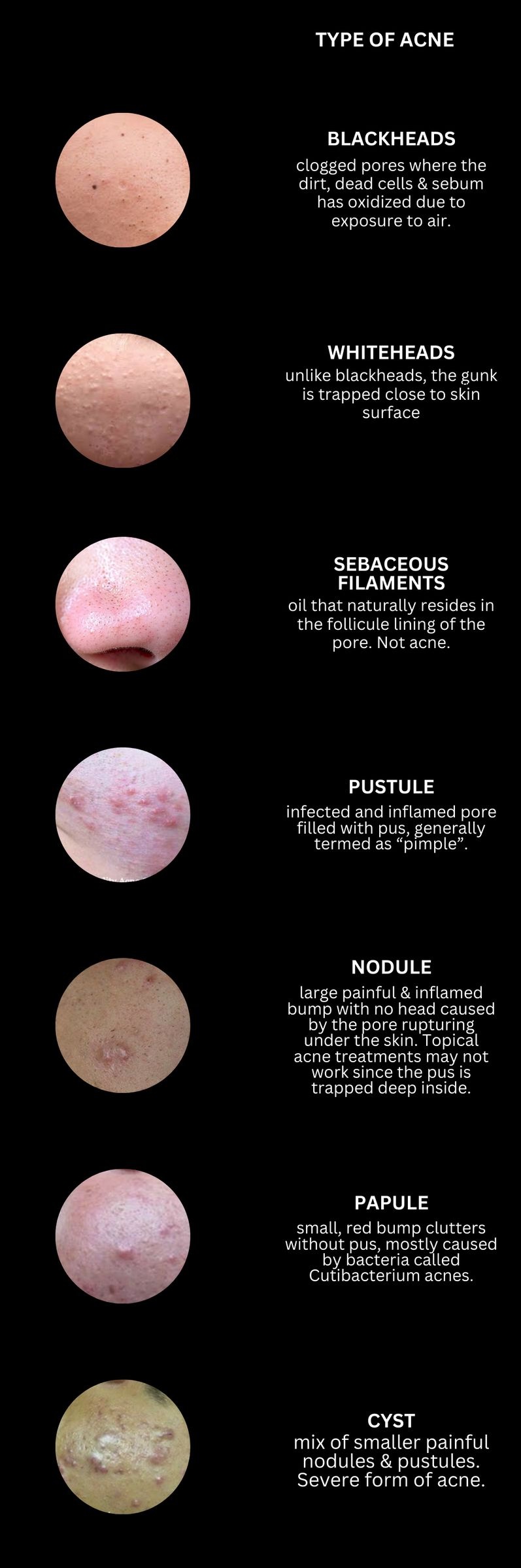
2. Trapped Cells: Dead skin cells fail to shed properly (a process known as hyper-keratinisation), mixing with the excess oil to form a plug called a comedone (a blackhead or whitehead).
3. Bacterial Build-up: In the blocked, oxygen-deprived pore, a bacterium called Cutibacterium acnes multiplies rapidly.
4. Inflammation: The bacterial build-up triggers an immune response, resulting in the redness and swelling of an active breakout.

How to Correct Acne: Clinical Guidance & Home Maintenance
Because acne occurs deep within the dermal layers, surface-level washing alone cannot resolve it. True correction requires a strategic approach that combines professional diagnosis with high-performance, active home care over a three to six-month period.
Step 1: Seek Professional & Medical Guidance First
Before introducing heavy active ingredients, we strongly advise consulting with a qualified dermal therapist or medical professional as your first step. A professional diagnosis ensures you understand your specific acne type and can identify any necessary prescription-strength topical medications or antibiotics.
Step 2: Support Your Treatment with At-Home Clinical Regimes
Once you have your professional foundation, a structured home care routine is vital to sustain and support your results. Your daily at-home regime should target two essential phases using targeted formulations:
1. Normalising Cell Turnover: Utilizing professional-grade active ingredients like Retinal and Alpha Hydroxy Acids (AHAs) to continuously dissolve dead skin cells, regulate sebum, and keep the pores free from clogs.
2. Calming and Protecting: Deploying antibacterial and anti-inflammatory properties to reduce redness, repair a compromised skin barrier, and prevent the deep tissue damage that leads to long-term scarring.
Find Your Target Routine
Ready to build a step-by-step plan that addresses your unique concerns at home? Explore our curated skin care guide modules to discover high-performance, clinical-grade protocols designed to regulate oil and clear congestion.
1. For Daily Care: Explore our 7-step "Oily, Combination & Acne-Prone Skin Facial Regime" to balance excess sebum and clear deep impurities.
2. For Severe Congestion: View our 8-step "Clinical Treatment: Acne Vulgaris & Cystic Acne" protocol for targeted, professional results.
3. For Redness & Sensitivity: Check out our 7-step "Clinical Treatment: Acne Rosacea" to calm active inflammation and manage flare-ups.
Go to our "Your Skincare Routine Guide" page to browse all daily essentials and targeted protocols.
Why Early Intervention Matters
When it comes to acne, waiting for it to clear up on its own can lead to lasting consequences. Early, proactive treatment results in significantly less skin damage and scarring. By addressing the triggers before deep inflammation sets in, you protect your skin’s texture and save time and money on long-term scar revision.
Take Control of Your Skin's Health
Stop guessing in the skin care aisle and wasting money on products that don't work. Explore our expert-guided Clinical Treatments and Skincare Routines to give your skin the precise, professional formulas it needs to thrive.
Treat yourself. Beauty can telle.
KENTELLE can do, can be.
Ken Ken