Pigmentation: What It Is, The Problems, and How to Fix
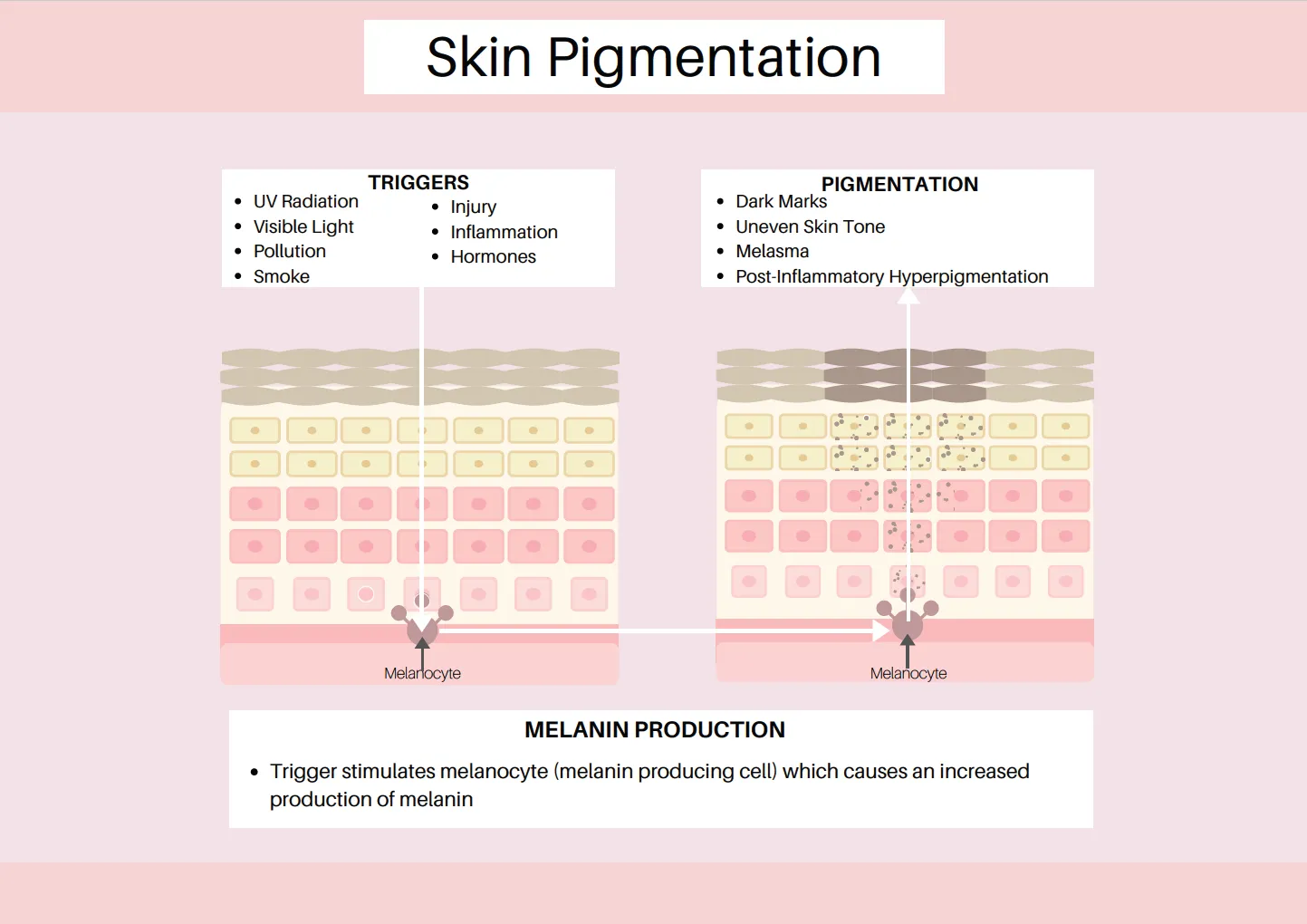
Let’s skip the confusing jargon. Whether you are dealing with stubborn dark spots, a "pregnancy mask," or patches that won't fade, understanding how your skin's pigment works is the secret to clearing it up safely.
Here is your quick, education-first guide to skin pigmentation, why things go wrong, and how to treat your skin with the respect it deserves.
1. What is Skin Pigmentation? (The Science of Melanin)
Simply put, pigmentation is the natural colouring of your skin, which is governed by a pigment called melanin. Your skin features a built-in cellular assembly line to create and distribute this colour:
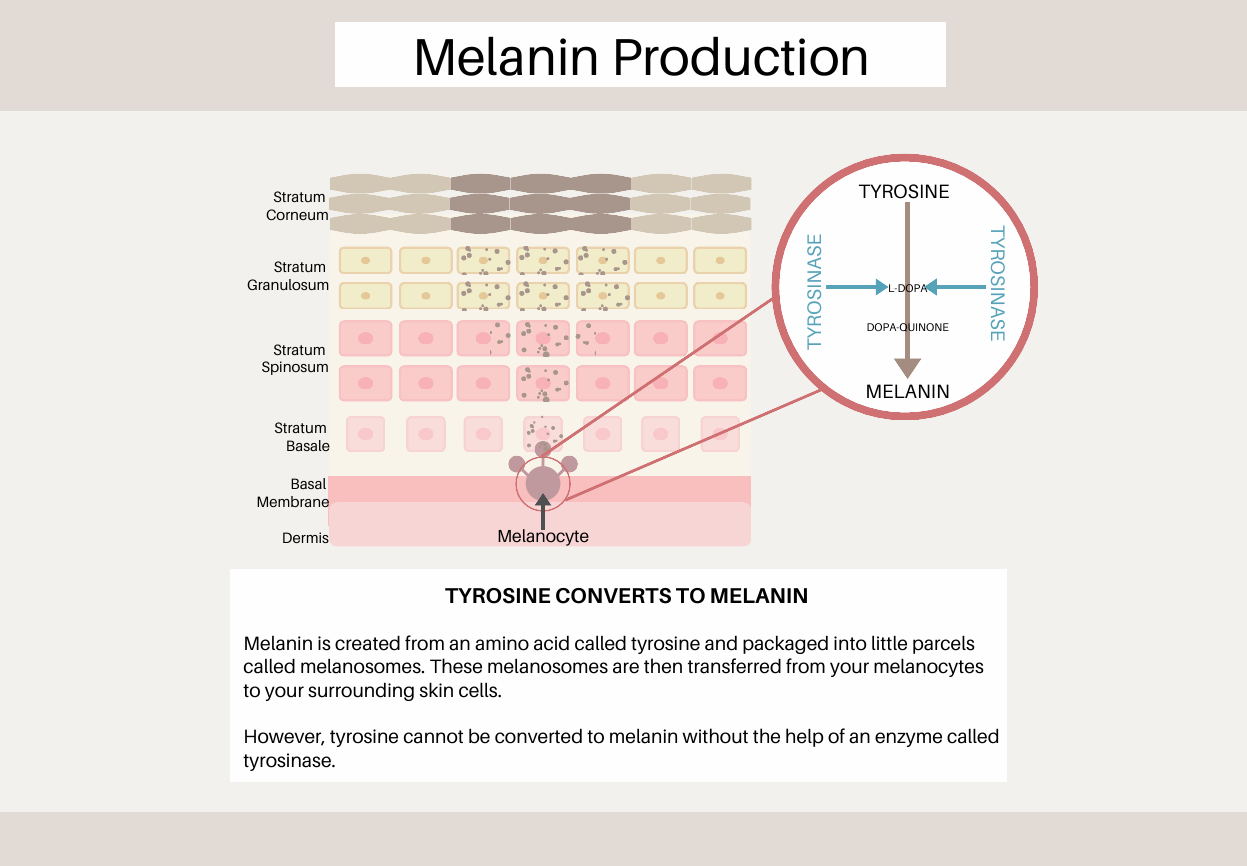
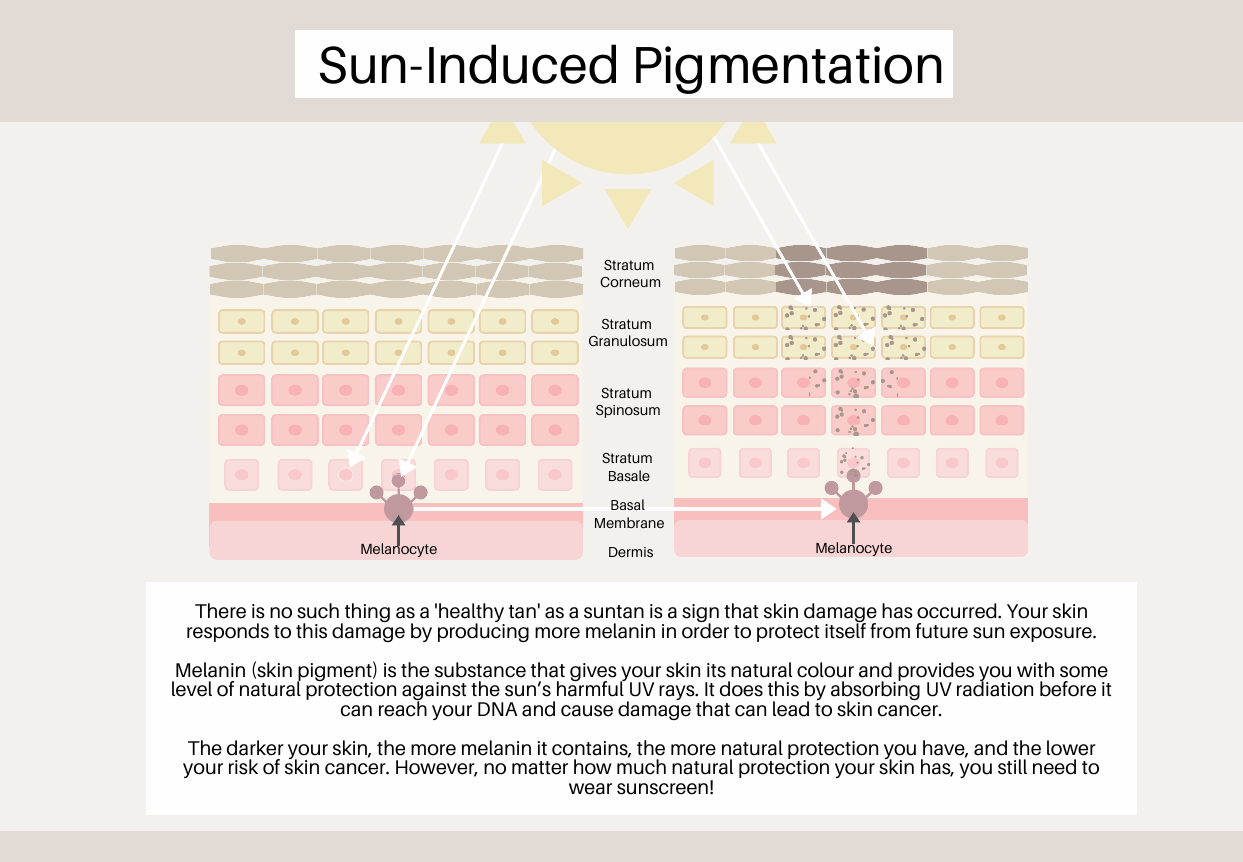
The Cells: Deep in the base layer of your skin (the Stratum Basale), specialized cells called melanocytes act as your pigment factories.
The Process: Melanin is built from an amino acid called tyrosine.
The Engine: Tyrosine cannot transform into melanin on its own; it requires a critical enzyme called tyrosinase to kickstart the conversion process.
The Delivery: Once created, melanin is packaged into tiny cellular parcels called melanosomes. These melanosomes are then transferred from your melanocytes out into your surrounding skin cells, giving your skin its visible tone.
When this process runs smoothly, your skin tone looks beautifully even. When the factory goes into overdrive or shuts down entirely, you get pigmentation problems.
2. The Common Skin Pigmentation Problems
Pigmentation issues generally fall into two categories: Hyperpigmentation (too much colour) and Hypopigmentation (too little colour). Here are the main conditions you might be noticing on your own skin:
Sun Spots (Solar Lentigines)
Flat, freckle-like brown spots on areas frequently exposed to the sun, like your face, hands, and chest.
Direct, localized UV damage that forces melanocytes to permanently overproduce pigment in those specific areas.
Melasma
Larger, symmetrical, mask-like brown or grey patches, typically appearing on the cheeks, forehead, bridge of the nose, and upper lip.
A complex mix of UV exposure and hormonal fluctuations. It is incredibly common during pregnancy (often called the "pregnancy mask") or while taking birth control, and it is highly reactive to heat and sun.
Post-Inflammatory Hyperpigmentation (PIH)
Flat dark marks left behind after a skin injury heals. They can be pink, red, brown, or black depending on your natural skin tone.
Triggered by skin inflammation - think acne breakouts, eczema, scratches, or overly aggressive skincare treatments like harsh chemical peels.
Hypopigmentation (Loss or Lack of Pigment)
White or noticeably lighter patches of skin.
The opposite problem, melanocytes have been damaged or destroyed by severe trauma (like burns or deep scars) or autoimmune conditions (like vitiligo), causing them to stop producing melanin entirely.
3. Understanding Your Fitzpatrick Skin Type
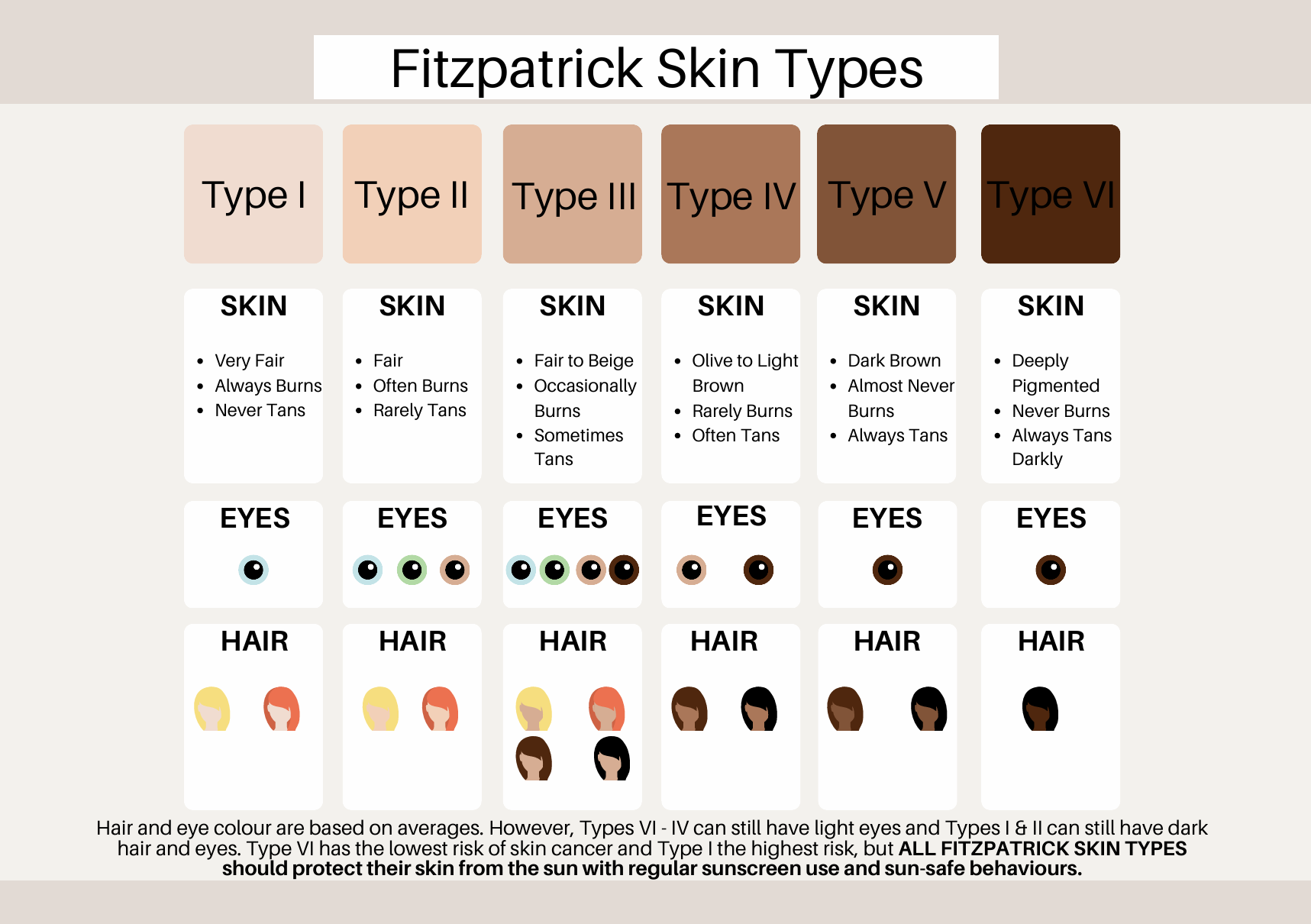
How your skin reacts to both the sun and pigmentation treatments depends entirely on your natural skin type. Dermatologists use the Fitzpatrick Skin Types scale to track this:
The Myth vs. The Reality
While eye and hair colours usually align with these types on average, exceptions are common (e.g., Types IV–VI can still have light eyes, and Types I & II can still have dark hair and eyes).
The Crucial Takeaway: The darker your skin, the more natural protection you have against UV rays. However, no matter how much natural protection your skin has, ALL Fitzpatrick skin types must protect their skin from the sun with regular sunscreen use and sun-safe behaviours. Furthermore, darker skin types (Types IV–VI) are much more prone to stubborn Post-Inflammatory Hyperpigmentation (PIH).
The Main Triggers: UVA vs. UVB
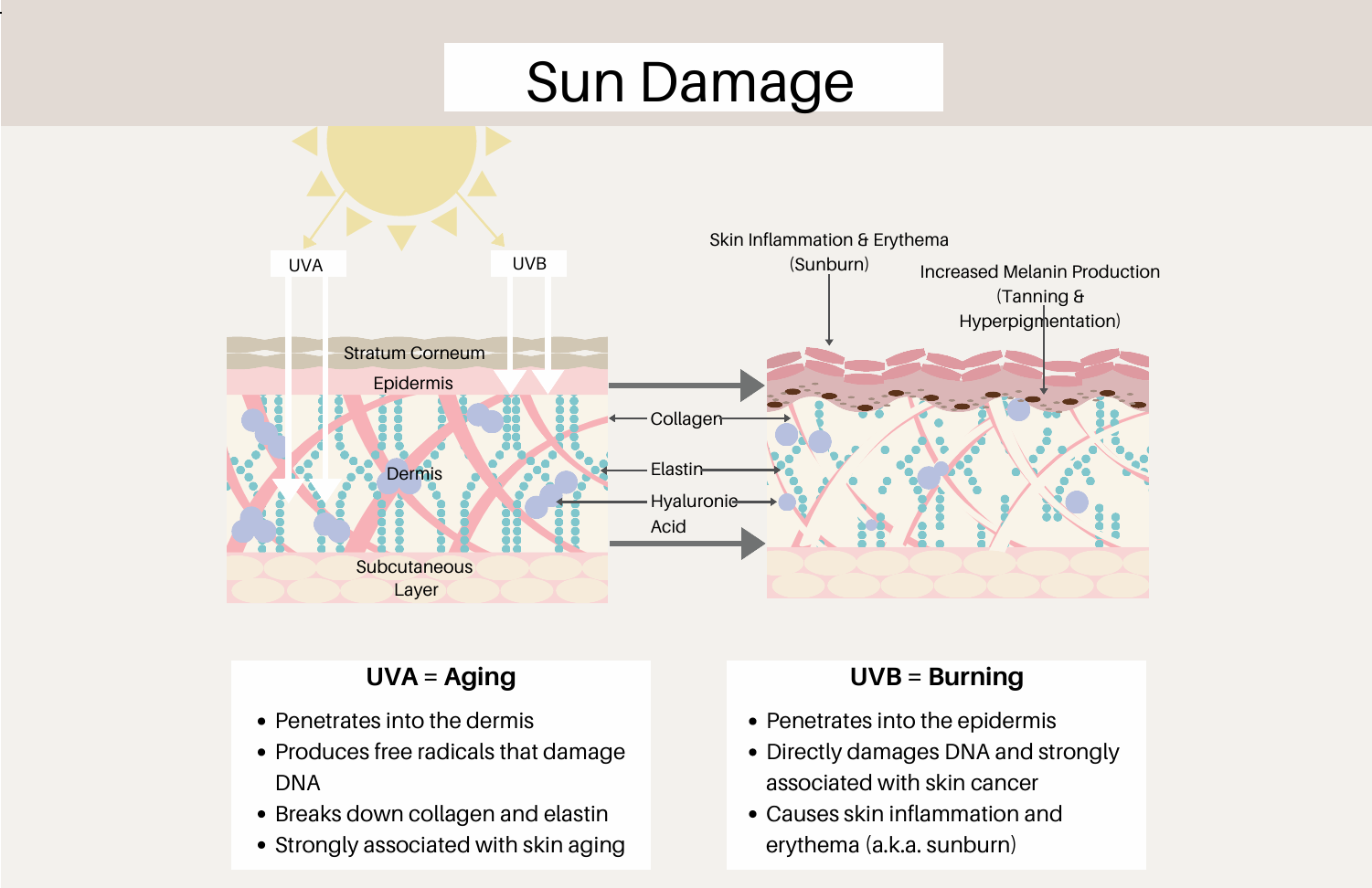
To fix a pigmentation problem, you have to stop what is actively triggering it. Sun damage is the number one culprit, and it hits your skin via two distinct types of radiation:
UVA
Penetrates deeply to break down your skin's structural support: collagen, elastin, and hyaluronic acid. Structural skin aging and deep wrinkling.
UVB
Penetrates the surface layer (epidermis) to directly damage DNA. It causes intense skin inflammation and erythema, better known as a painful sunburn.
Other Significant Triggers
Hormonal Fluctuations: Predominantly drive melasma, often triggered by pregnancy or the contraceptive pill.
Inflammation/Injury: Any inflammatory response from acne, eczema, or aggressive cosmetic procedures can lead to PIH.
Genetics: Can predetermine your risk for conditions like albinism or melasma.
Medications: Many common medications, such as antibiotics and antidepressants, can cause photosensitivity, meaning they make your skin hypersensitive to UV light and accelerate pigment production.
Biological Truth-Bomb: There is No Such Thing as a "Healthy Tan"
We all love a sun-kissed glow, but biologically speaking, a suntan is a clear sign that skin damage has occurred. Your skin responds to this cellular damage by frantically producing more melanin to form a defensive shield over your cell nuclei. This shield absorbs UV radiation before it can further mutate your DNA. When that defence mechanism is chronically triggered, it leaves behind permanent, uneven pools of hyperpigmentation.
5. Tips for Safe Treatment and Long-Term Protection
While treatment can be challenging, a consistent, gentle approach is effective for hyperpigmentation. Here is our roadmap for clearer skin.
1. Patience is Key
Pigmentation issues take months to form and will take months to resolve. There are no quick, non-damaging fixes. Set realistic expectations for improvements over 12–24 weeks, not 2–4. Consistency is far more important than intensity.
2. The Golden Rule: "Less is More"
When treating pigmentation, gentle is always better. Over-exfoliating or using too many powerful products (like retinoids and chemical peels) at once can irritate the skin barrier, causing inflammation, which in turn will trigger more pigment via the PIH pathway. Be kind to your skin.
3. Sunscreen is NON-NEGOTIABLE (Every. Single. Day.)
We cannot state this strongly enough: you will not treat pigmentation effectively if you do not protect your skin from the sun. Daily, broad-spectrum sunscreen is the single most effective anti-pigmentation treatment. Referencing the Fitzpatrick scale, all skin types need protection. Apply sunscreen that offers both UVA (look for high PA rating) and UVB (SPF 30+) coverage, even on cloudy days.
4. Key Treatment Ingredients
Effective hyperpigmentation products aim to disrupt the cellular pathways we identified. The most effective treatments are Tyrosinase Inhibitors. Remember that enzyme, tyrosinase, that was required to convert tyrosine to melanin? If we can safely inhibit that enzyme, we pull the plug on the pigment factory.
Fact-checking our inhibitor list against our graphics, look for products containing:
Gold Standards: Hydroquinone, Arbutin, Kojic Acid, Mequinol.
Brightening Acids: Azelaic Acid, Ascorbic Acid (Vitamin C 20%), Green Tea/EGCG, Resveratrol.
Soothing Options: Aloe, Zinc.
Other powerful additions (used cautiously under the "less is more" rule): Retinoids (to speed up cellular turnover and bring pigment to the surface faster) and chemical exfoliants (AHA/BHA, used sparingly).
In-Clinic Boosters: For deeper or more stubborn patches, professional treatments like IPL (Intense Pulsed Light), targeted lasers, and clinical-grade chemical peels can dramatically accelerate your results when paired with the right home care.
Trust the Process: Consistency Beats Intensity
Pigmentation can be stubborn, but with the right scientific roadmap, it is completely manageable. Skip the viral overnight "miracle cures" and commit to the unsexy, beautiful basics: a gentle routine, targeted tyrosinase inhibitors, and non-negotiable daily sun protection.
Give your skin the time and kindness it needs to heal. Your future, radiant skin barrier will thank you for it!
👉 Ready to build your perfect regimen? Explore our curated [Clinical Routine on Pigmentation] to see our exact product recommendations and step-by-step guidance!